
 by Adam Johnson
-
Missing or Damaged Shingles
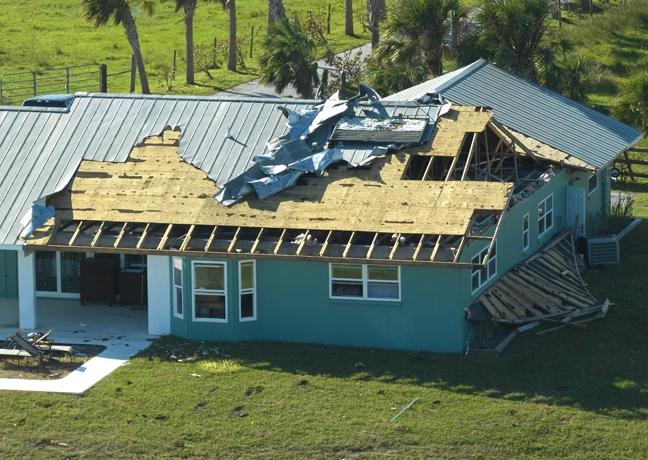
Shingles are your roof’s first line of defense, and storms can wreak havoc on them. High winds can tear shingles off entirely, while hail can crack or bruise them, leaving bald spots. For commercial flat roofs, look for torn membrane patches or peeled coatings. After a storm, check your roof (safely, from the ground or with binoculars) or inspect your yard for shingle pieces. Missing or damaged shingles expose the underlayment, inviting leaks. If you spot this, call Johnson Restoration for a professional assessment to prevent small issues from becoming costly repairs.
-
Leaks or Water Stains Inside
Noticed a drip in your attic or water stains on your ceiling? That’s a red flag your roof may have been compromised. Heavy rain or wind-driven water can sneak through cracks or holes caused by storm damage. For businesses, check warehouse ceilings or office spaces for dampness. Even small leaks can lead to mold or rot if ignored. Our team at Johnson Restoration uses advanced tools to pinpoint leaks and recommend repairs, ensuring your property stays dry and safe.
-
Dents or Bruises on Metal Components
Hailstorms are notorious for denting metal roof elements like flashing, vents, or gutters. On commercial buildings, HVAC units or metal roofing panels can take a beating. These dents might seem cosmetic, but they can weaken seals, letting water seep in. After a hailstorm, inspect metal surfaces for pitting or dimples—sometimes subtle to the untrained eye. We offer detailed inspections to catch these issues early, saving you from bigger headaches down the road.
-
Granule Loss on Asphalt Shingles
If you find piles of granules in your gutters or scattered across your driveway after a storm, it’s a sign your asphalt shingles have been hit hard. Hail or heavy rain can strip away the protective granules, leaving shingles vulnerable to UV rays and water. For homeowners, this can mean a shorter roof lifespan; for businesses, it risks leaks in flat or low-slope systems. Johnson Restoration can assess granule loss and suggest whether repairs or a full replacement makes sense for your budget and property.
-
Debris Damage or Punctures
Fallen branches, flying debris, or even satellite dishes knocked loose by wind can puncture or scrape your roof. These impacts create weak spots where water can infiltrate. Commercial roofs, with their larger surface areas, are especially prone to debris piling up and causing hidden damage. Walk your property after a storm to spot branches or clutter on the roof. Our crews are trained to safely remove debris and repair punctures, restoring your roof’s integrity before the next storm hits.
Act Now to Protect Your Property
Storms don’t wait, and neither should you. Any of these signs—missing shingles, leaks, dents, granule loss, or debris damage—means it’s time to take action. Delaying repairs can turn a minor fix into a major expense, whether you’re a homeowner worried about your family’s safety or a business owner protecting your operations. At Johnson Restoration, we specialize in storm damage repair for both residential and commercial properties in Omaha and surrounding communities. Our expert team offers free inspections to assess your roof and guide you through the next steps, including insurance claims if needed. In reality, most damage cannot be seen from the ground with the naked or untrained eye, so it is always better to have a trained specialist inspect your roof.
Don’t let storm damage catch you off guard. Schedule your free inspection now and ensure your roof is ready for whatever weather comes next. Let us help you restore peace of mind—and a strong roof over your head.

Adam Johnson
Adam Johnson is an attorney licensed in Nebraska and is the founding member and current President of Johnson Restoration Services - a regional claim management and storm restoration contractor in Omaha. Mr. Johnson is a second generation Omaha native and is proud to serve its community with honest and ethical legal and restoration services.
Related Articles

End Leaky Roof Headaches: How Johnson Restoration’s Preventative Maintenance Saves Omaha Commercial Properties
As a commercial property owner or facility manager in Omaha, Nebraska, few things are more frustrating than urgent calls from...
Read More
Leave a Comment