
 by Adam Johnson
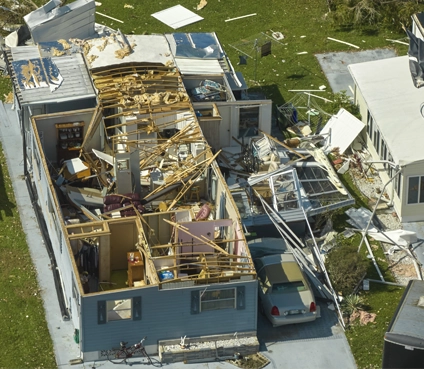
In Nebraska, a little-known regulation steps in to protect you: 210 Neb. Admin. Code § 60-010.01(B), commonly called the “matching regulation.” At Johnson Restoration Services, we’ve seen how this rule can make or break a claim’s outcome. Let’s dive into what it means, how it works, and why it matters for residential and commercial property owners like you.
What Is the Matching Regulation?
“When a loss requires replacement of items and the replacement items do not reasonably match in quality, color or size, the insurer shall replace all items in the area so as to conform to a reasonably uniform appearance. This applies to both interior and exterior losses. The insured shall not bear cost over any applicable deductible.”
In plain English, if your insurance covers damage to part of your property (say, a few roof shingles or a section of flooring), and the new replacements don’t match the old stuff in look or quality, the insurer has to step up. They can’t just patch the damaged spot—they must replace enough of the surrounding area to make everything look consistent, whether it’s inside your home or on your commercial building’s exterior. And here’s the kicker: they cover it, minus your deductible. No extra out-of-pocket costs for you.
This rule comes from a model regulation by the National Association of Insurance Commissioners (NAIC), adopted by Nebraska to ensure insurers don’t leave property owners with a patchwork mess after a claim. It’s a consumer-friendly standard, and it’s one we at Johnson Restoration Services lean on to get our clients the repairs they deserve.
How Does It Work in Practice?
Imagine a hailstorm hits your Omaha home, denting half your aluminum siding. Your insurer approves replacing the damaged panels, but the new ones are a slightly different shade—discontinued colors are common among siding manufacturers. Without the matching regulation, you’d be stuck with a two-tone house, or you’d have to shell out thousands to replace all the siding yourself. Under Nebraska law, though, the insurer must replace enough siding—often the entire affected side or visible area—to make it look “reasonably uniform.” The same goes for a commercial property: if a storm cracks a few windows on your storefront, and replacements don’t match, the insurer might need to redo the whole facade.
The regulation covers both interior and exterior losses. For homeowners, this could mean replacing an entire living room carpet if a water leak damages one corner and new patches clash. For commercial owners, think of a warehouse with mismatched roofing after a windstorm—Nebraska says the insurer can’t skimp on uniformity.
The catch? “Reasonably uniform appearance” and “in the area” aren’t precisely defined. Does “area” mean one roof slope or the whole roof? One wall or the entire building? It’s case-by-case, often hinging on what’s visible or practical. Insurers might argue a close-enough match is fine, while we’d push for broader replacement to protect your property’s value and curb appeal. At Johnson Restoration Services, we’ve got your back—documenting mismatches with photos and citing this regulation to get the job done right.
Why It Matters for Residential Property Owners
-
Aesthetic Protection: Your home isn’t just a building—it’s your pride. A mismatched roof or siding can tank curb appeal and even resale value. This rule ensures repairs blend seamlessly, so your house doesn’t look like a quilt.
-
Cost Savings: Without this regulation, insurers might only cover the damaged portion, leaving you to pay for extras—like replacing undamaged shingles to match. In Nebraska, they foot the bill beyond your deductible, saving you thousands. For example, if hail hits one side of your roof (say, $5,000 to fix), but matching requires the whole roof ($15,000), the insurer covers that $15,000 minus your deductible—huge relief.
-
Practical Repairs: Partial fixes often don’t last. New shingles on an old roof might leak at the seams if they don’t align. The regulation forces insurers to do it right, protecting your home long-term.
Take a common scenario: a tree falls on your roof, damaging half the shingles. The insurer finds replacements, but they’re a different shade. Under § 60-010.01(B), we’d argue for a full roof replacement—$20,000 instead of $8,000—because “reasonably uniform” means no glaring mismatch. We’ve helped clients win these battles, ensuring their homes stay whole.
How It Impacts Commercial Property Owners
-
Professional Image: A mismatched storefront or office exterior screams neglect to customers and tenants. Imagine owning a strip mall where wind damages half the siding—new panels that don’t match could drive business away. Nebraska’s rule ensures your property looks cohesive, preserving your brand.
-
Higher Stakes, Bigger Wins: Commercial repairs often cost more due to scale. If a storm damages part of a flat roof on your warehouse (e.g., $10,000 to patch), but matching requires redoing the whole thing ($50,000), the insurer covers that full amount minus your deductible. That’s a massive savings for businesses already juggling tight margins.
-
Operational Continuity: Partial repairs can disrupt operations—say, a leaky roof patch over your inventory. The regulation pushes for comprehensive fixes, minimizing downtime. For example, we’ve worked with a local retailer whose hail-damaged windows needed matching; the insurer replaced the entire front, avoiding a half-done job that’d scare off shoppers.
Consider a real case we’ve seen: a commercial building with a damaged roof section. The insurer initially approved a patch repair for a hail-damaged roof, but the new membrane didn’t match the old TPO roofing. Citing this regulation, we secured funding and approval for a full roof replacement—uniform and leak-free. It’s a win for property value and peace of mind.
Challenges and How to Navigate Them
-
“Reasonably Uniform” Debate: Insurers might claim a slight mismatch (e.g., close-enough shingle color) meets the standard. We counter with photos showing the difference—visible mismatches aren’t “reasonable” to anyone with eyes. It’s a negotiation, and we’re in your corner.
-
“Area” Ambiguity: Does “area” mean one wall, one roof slope, or the whole building? Insurers lean small; we push for what’s visible or functional. For instance, if hail hits your front siding, we’d argue the whole front needs replacing—not just a strip—since it’s what clients see.
-
Policy Limits: Your policy’s coverage cap still applies. If matching pushes costs over the limit (e.g., $100,000 roof vs. $75,000 cap), you might hit a wall—though we’d explore supplements or betterment clauses to bridge the gap.
-
Insurer Pushback: Some adjusters resist, claiming “like kind and quality” trumps matching. Nebraska law says otherwise—§ 60-010.01(B) overrides stingy policy terms. We’ve got the citations ready when they balk.
- Unenforceable Exclusions: Just because a policy purports to exclude certain items doesn’t always mean the exclusion is enforceable. Generally speaking, if Nebraska has a regulation on point the insurers are not allowed to exclude what has already been regulated.
Here’s a tip: document everything. When we scope your claim at Johnson Restoration Services, we snap before-and-after pics, note mismatches, and reference this regulation in talks with insurers. It’s ammo to get you the full repair you deserve.
How Johnson Restoration Services Uses This Regulation
-
Spot Mismatches Early: During scoping, we check if replacements (e.g., siding, shingles) match existing materials. If not, we flag it.
-
Push for Full Coverage: We cite § 60-010.01(B) to insurers, demanding area-wide replacements—say, an entire roof slope instead of a patch.
-
Protect Your Wallet: By leveraging this rule, we’ve saved clients thousands, ensuring insurers pay for uniformity, not you.
For example, we recently helped a homeowner in Elkhorn after wind tore off roof tiles. The insurer offered $7,000 for half the roof, but the new tiles didn’t match. We pushed for $18,000 to redo the whole thing—uniform and covered, minus their deductible. That’s the power of knowing Nebraska law.
What Property Owners Should Do
-
Check Your Damage: Look at what’s damaged and what’s staying. Will repairs match? If not, you’ve got a case.
-
Call Us Early: At Johnson Restoration Services, we’ll scope it, photograph it, and build your claim with matching in mind.
-
Know Your Rights: If the insurer lowballs you with a partial fix, point to § 60-010.01(B)—or let us handle it. File a complaint with the Nebraska Department of Insurance (doi.nebraska.gov) if they dig in.
-
Push for More: Don’t settle for a patchwork repair. Uniformity protects your property’s value, and Nebraska law backs you up.
The Bottom Line
Nebraska’s matching regulation is a hidden gem for residential and commercial property owners facing a covered loss. It ensures your home or business doesn’t end up a mismatched mess after repairs—whether it’s a roof in Dundee or a storefront downtown. For homeowners, it’s about pride and savings; for commercial owners, it’s image and bottom-line protection. Insurers might fight it, but with the right approach (and a partner like us), you can win the full repair you’re owed.
At Johnson Restoration Services, we’re here to navigate these rules for you—turning a stressful claim into a restored property that looks as good as new. Got damage from that last storm? Give us a call at (402) 718-8034 or schedule online. Let’s make sure your insurance delivers, down to the last matching shingle.

Adam Johnson
Adam Johnson is an attorney licensed in Nebraska and is the founding member and current President of Johnson Restoration Services - a regional claim management and storm restoration contractor in Omaha. Mr. Johnson is a second generation Omaha native and is proud to serve its community with honest and ethical legal and restoration services.
Related Articles
Replacement Cost vs. Actual Cash Value: What It Means for Your Insurance Claim
At Johnson Restoration, we’ve worked with countless homeowners and business owners to repair and rebuild after unexpected damage—whether it’s a...
Read More
Navigating the Insurance Maze: How Johnson Restoration Simplifies Your Claim Process
When a hailstorm, windstorm, or fire damages your Omaha, Nebraska, home or business, filing an insurance claim can feel like...
Read More
Understanding Nebraska’s Anti-Indemnity Law: What Property Owners Need to Know When Hiring a Roofing Contractor
When a storm hits your home or business in Omaha, Nebraska, the last thing you want is a legal headache...
Read More
Leave a Comment