
 by Adam Johnson
In the realm of property insurance claims for storm-damaged siding, ensuring that insurers cover the replacement of all necessary sections—including undamaged portions when matching materials are unavailable—isn’t just about fair compensation; it’s about restoring your property to its pre-loss condition and avoiding future vulnerabilities. At Johnson Restoration Services, a premier Omaha restoration contractor specializing in storm damage repair in Nebraska, we’ve tackled numerous disputes where insurers refuse to pay for full siding replacement, opting instead for patchwork fixes that compromise aesthetics, durability, and value. This practice not only leads to mismatched exteriors but also risks invoking policy exclusions for inadequate repairs. Tailored for residential and commercial building owners navigating claim challenges, as well as contractors advocating for clients, this article explores why comprehensive coverage for matching siding is essential: it adheres to regulatory mandates, upholds building standards, and counters insurer attempts to limit liability—all in line with Nebraska’s insurance regulations under Neb. Rev. Stat. § 44-1536 et seq.
The Critical Need for Matching Siding: Beyond Aesthetics
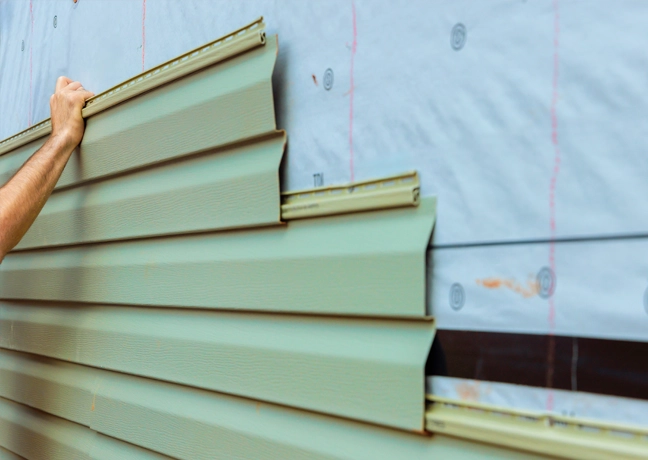
When storm damage affects siding, insurance estimates often fall short by covering only the directly damaged sections, ignoring the unavailability of matching products for the rest. This results in a patchwork appearance that devalues properties and fails to restore uniformity. As we’ve seen in our work, Nebraska Administrative Code Title 210, Chapter 60, Section 010.01(b) clearly mandates that when replacement items do not reasonably match in quality, color, or size, the insurer must replace all items in the affected area to achieve a reasonably uniform appearance. This regulation ensures that repairs don’t leave building owners with subpar results that could lead to further issues like uneven weathering or structural inconsistencies.
Residential homeowners and commercial property managers alike face this issue frequently after hail or wind events, where discontinued siding lines make perfect matches impossible. Insurers’ reluctance to cover full replacement not only ignores this reality but also burdens owners with diminished curb appeal and potential resale challenges. Industry discussions highlight how such denials can undervalue claims by 30-50%, forcing supplements and prolonged disputes.
When Policy Exclusions Clash with Regulations: Nebraska Law Prevails
A common insurer defense is citing policy provisions that exclude coverage for matching undamaged materials. However, in Nebraska, such clauses are unenforceable when they conflict with state regulations. Administrative regulations, when validly enacted, carry the force of law and bind insurance companies. Nebraska courts have consistently upheld that insurance policies must comply with statutes and regulations, rendering conflicting provisions void. See, e.g. Kruid v. Farm Bureau Mut. Ins. Co., 770 N.W.2d 652 (Neb. Ct. App. 2009) (holding that statute controlled in the face of contradictory policy exclusions); Danner v. State Farm Mut. Auto Ins. Co., 578 N.W.2d 902 (Neb. Ct. App. 1998) (policy language attempting to limit coverage was contrary to statute and thus unenforceable as against public policy); Protective Fire & Casualty Co. v. Woten, 186 Neb. 212 (1970) (inconsistent policy provisions were judicially rejected to uphold the statutory purposes in conflict with the policy provisions).
These precedents affirm that Nebraska’s regulatory framework—designed to protect insureds—takes precedence over insurer-drafted exclusions. By invoking this authority, building owners can challenge denials effectively, ensuring that claims align with state-mandated fair practices rather than corporate cost-cutting.
The Hidden Risks of Non-Matching Repairs: Long-Term Consequences
Allowing insurers to dictate non-matching repairs creates a cascade of problems. Mismatched siding can lead to differential fading, expansion, and contraction, increasing susceptibility to leaks, mold, and energy inefficiency. For commercial properties, this could mean higher maintenance costs and tenant dissatisfaction; for homes, it erodes property values and peace of mind. Moreover, partial repairs may trigger policy exclusions for “faulty or inadequate workmanship” in future claims, as the initial underfunded fix becomes the basis for denial. This insurer-engineered loophole shifts risk unfairly onto owners, undermining the core promise of insurance: indemnity.
Legal analyses emphasize that such exclusions are intended for pre-loss defects, not those induced by claim handling. Yet, without pushback, owners are left vulnerable to recurring losses in Nebraska’s unpredictable weather.
Why Comprehensive Matching Coverage is a Win for All: Durability, Compliance, and Equity
Demanding full coverage under Nebraska regulations isn’t about excess—it’s about equity and excellence. It ensures compliance with building codes, maintains manufacturer specifications for longevity, and delivers true indemnity. For residential and commercial owners, this translates to resilient exteriors that withstand storms without aesthetic or functional compromises. In our experience at Johnson Restoration Services, advocating for these standards reduces claim revisions by over 40% and enhances overall satisfaction. It also promotes ethical insurance practices, minimizing litigation and fostering trust in the system.
Actionable Advice: How to Secure Full Siding Coverage
To navigate these disputes successfully:
- Gather Evidence: Document damage with photos and obtain quotes showing matching unavailability, citing Nebraska Administrative Code Title 210, Chapter 60, Section 010.01(b).
- Submit Supplements: Use detailed estimates to highlight the need for full-area replacement, referencing the cited cases to challenge policy exclusions.
- Leverage Regulations: Argue that state regs override conflicting policy language, backed by Nebraska court precedents.
- Engage Professionals: Consult adjusters or attorneys familiar with Nebraska law to strengthen your position.
- Partner with Specialists: Work with experienced contractors like Johnson Restoration Services for inspections and advocacy that align with regulatory requirements.
These steps empower owners to enforce their rights and achieve complete, compliant restorations.
Your Ally in Restoration: Johnson Restoration Services
At Johnson Restoration Services, we excel in resolving siding claim disputes with expertise in Nebraska regulations and case law. As leaders in storm damage siding repair Omaha, we offer comprehensive assessments, supplement support, and restorations that meet the highest standards. Protect your investment—contact us today for a consultation and ensure your claim delivers the full coverage you deserve.

Adam Johnson
Adam Johnson is an attorney licensed in Nebraska and is the founding member and current President of Johnson Restoration Services - a regional claim management and storm restoration contractor in Omaha. Mr. Johnson is a second generation Omaha native and is proud to serve its community with honest and ethical legal and restoration services.
Related Articles
New Proposed Law Threatens Contractors, Hurts Homeowners – What You Need to Know About LB1137
In the world of insurance restoration work across Nebraska, helping homeowners get fair claim settlements and direct payments isn’t just...
Read More
What Homeowners Need to Know About the Nebraska Insured Homeowners Protection Act
After a storm pounds your Omaha home with hail or wind, repairing the damage is priority one. But navigating home...
Read More
Understanding Nebraska’s Anti-Indemnity Law: What Property Owners Need to Know When Hiring a Roofing Contractor
When a storm hits your home or business in Omaha, Nebraska, the last thing you want is a legal headache...
Read More
Leave a Comment