
 by Adam Johnson
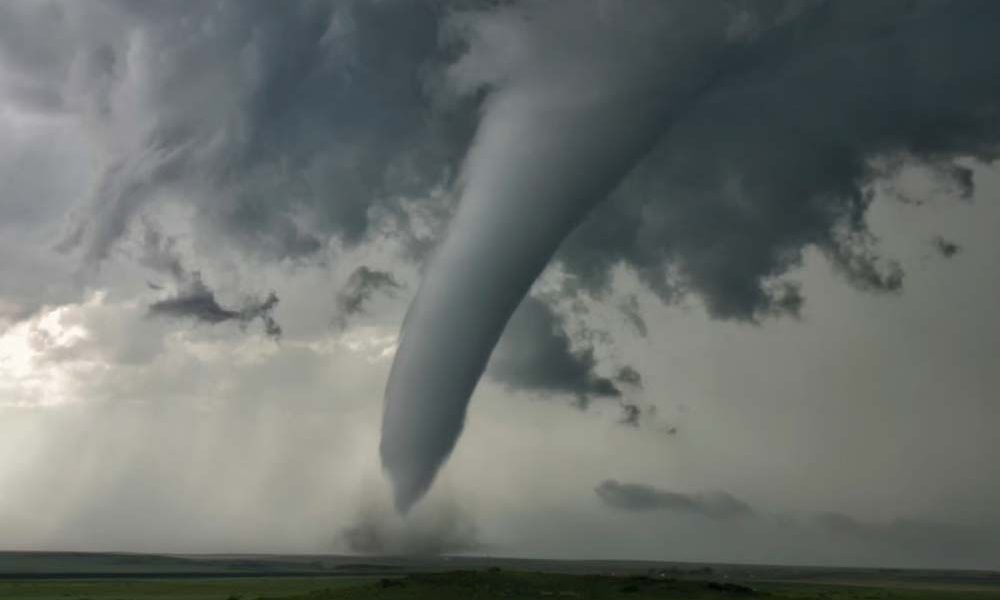
On the evening of September 14, the National Weather Service in Omaha/Valley issued a series of tornado warnings as strong storms swept east through the region. The alerts covered parts of Otoe and Cass counties in southeastern Nebraska, along with Fremont and Mills counties in southwestern Iowa. Radar tracked severe thunderstorms capable of producing a tornado near communities such as Syracuse, Dunbar, Union, and Nebraska City, moving quickly to the east at 45 to 55 mph before the warnings expired around 7:30 PM.
Storms like these can move through the Omaha metro and surrounding counties in a hurry, and even when a tornado never touches down, high winds and hail can leave lasting marks on a roof. If you live in one of the affected areas, it’s worth taking a closer look at your home once conditions are safe.
Signs of Roof Damage to Watch For
Roof damage isn’t always obvious from the ground, but there are several clues that a storm may have taken a toll. After severe weather passes, keep an eye out for:
- Shingles that are missing, cracked, curled, or lifted at the edges
- Dark spots, dents, or bruising on shingles caused by hail impact
- Granules from asphalt shingles collecting in gutters or at downspout outlets
- Dented gutters, vents, flashing, or metal roof accessories
- Water stains on ceilings or in the attic, which can point to a new leak
- Debris, tree limbs, or scattered shingle pieces around the yard
If you can safely view the roof from the ground or an upstairs window, that’s a good start. We never recommend climbing onto a wet or storm-damaged roof yourself—leave that to trained professionals with the right equipment.
Why Prompt Inspection Matters
Small amounts of storm damage can turn into bigger problems if they go unnoticed. A few missing shingles or a cracked seal may let moisture work its way beneath the surface, leading to leaks, mold, or damaged decking over time. Catching issues early usually means simpler, less costly repairs.
A timely inspection also helps you document conditions while the cause is still fresh. If you do decide to file a claim with your insurance company, having a clear record of the damage and when the storm occurred can make the process smoother.
How the Documentation Process Generally Works
Every insurance policy is different, and we can’t promise how any individual claim will be handled. That said, the general path after storm damage tends to look like this:
- Schedule a professional roof inspection to identify and document any damage with photos and notes
- Review your homeowner’s policy so you understand your coverage and deductible
- Contact your insurance carrier to report the damage and, if appropriate, begin a claim
- Work with a reputable roofing contractor who can meet with the adjuster and provide a detailed repair estimate
Johnson Restoration Services is a roofing and storm-restoration company, not a public adjuster, and we don’t offer legal or insurance advice. What we can do is give you an honest, thorough assessment of your roof’s condition so you have accurate information to make your own decisions.
Serving Homeowners and Businesses Across the Metro
We’re proud to help property owners throughout Omaha, Bellevue, Council Bluffs, Lincoln, Papillion, and the surrounding communities—including the areas hit by this round of storms. Whether you noticed something concerning after the weather cleared or simply want peace of mind, a professional set of eyes can make all the difference.
If your home or business may have been affected by recent storms, we invite you to schedule a free roof inspection with Johnson Restoration Services. Call us at 402-718-8034 or reach out through our contact page, and we’ll be glad to take a look and walk you through what we find.
Source: This post summarizes reporting from Forthapp. Johnson Restoration Services is a licensed roofing contractor, not a public insurance adjuster, and this article is general information only, not legal or insurance advice. Coverage for any roof damage depends on your specific policy and circumstances. Contact your insurer and a qualified roofing professional about your situation.

Adam Johnson
Adam Johnson is an attorney licensed in Nebraska and is the founding member and current President of Johnson Restoration Services - a regional claim management and storm restoration contractor in Omaha. Mr. Johnson is a second generation Omaha native and is proud to serve its community with honest and ethical legal and restoration services.
Related Articles
After Monday’s Severe Storms in the Omaha Metro: What Homeowners Should Check on Their Roofs
Severe storms and a tornado watch swept through the Omaha metro Monday, knocking out power and downing trees. Here's practical...
Read More